
Kodi News: DevCon 2026 - Barcelona Revisited - Part II
- Views 422
- Created
- Last Reply
Featured Replies
Topics
-
Hi all, I cannot use the addon for a while. Kodi 21.2 build. The addon starts up but when I try to edit the sequence, the buttons are not visible and I cannot do anything. I tried to import one of my old sequence and it seems like loads in but anything I try to choose there is no buttons after the bottom line. The play button gives me complete black screen and I have to kill kodi and restart it again. I have installed the addon from the repo 0.3.7.a1 on android tv. my content path is in the netw
-
IMAX Enhanced - Bumper (Short) 4K Dolby TrueHD 5.1 File Information Submitter ToastyMaster07 Submitted 06/26/2026 Category Brands View File
-
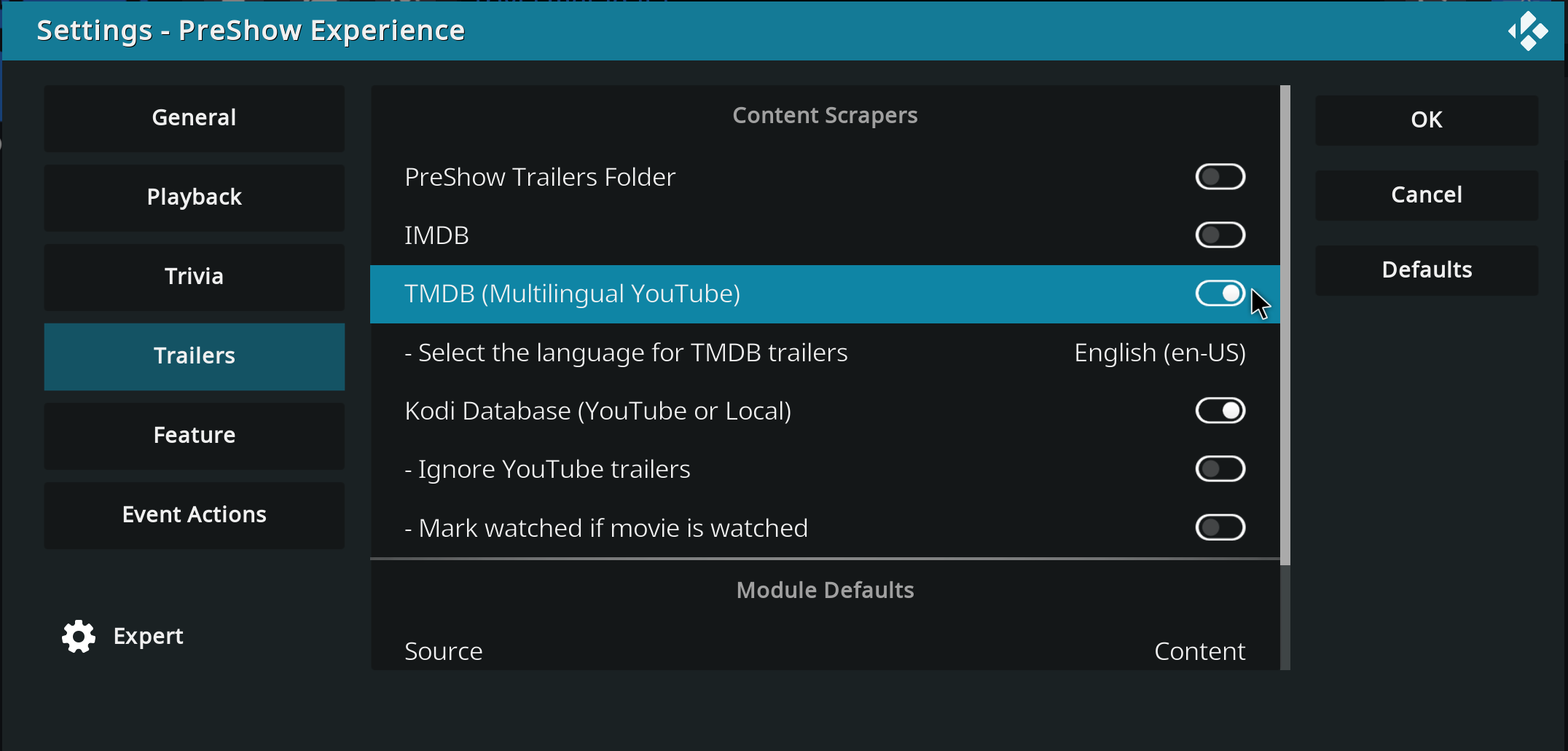
Hello, I hope you're all well... Until yesterday, my trailers in the pre-show were working normally... I have it configured to show trailers for movies I don't own, with the intention of discovering new things. But today it stopped working; it only pulls trailers for movies I have in the database, and if I disable the Kodi database option, it doesn't play any trailers at all, it just stays stuck on a black screen. Does anyone have any idea how I can solve this problem? Thank you in advance.
-
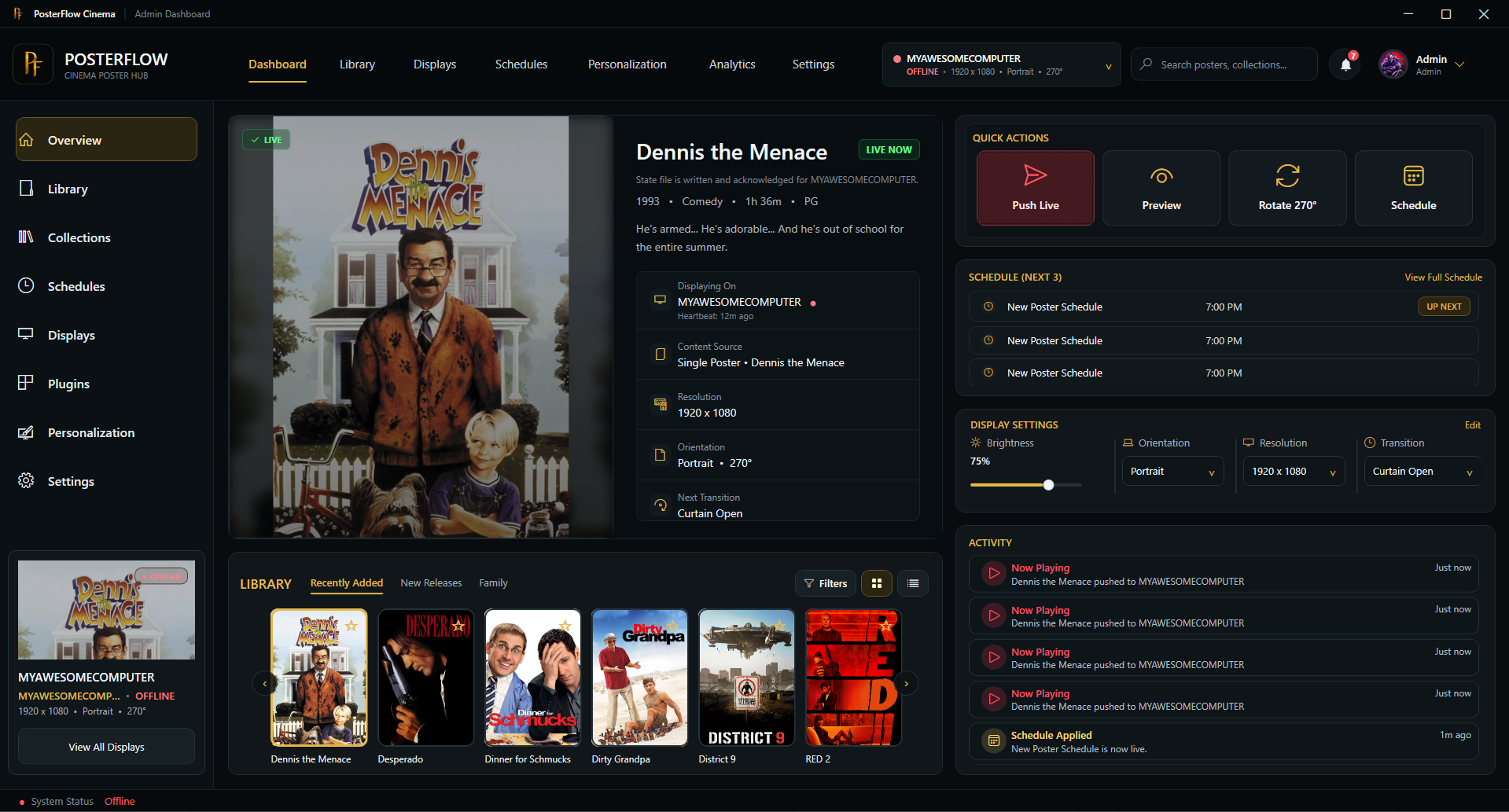
Hey everyone, I wanted to share an updated introduction to something I’ve been building called PosterFlow. PosterFlow started as a personal home theater project. I wanted a cleaner way to manage digital poster screens without constantly juggling folders, images, slideshow tools, display windows, schedules, and manual updates. The goal was to make poster displays feel more like part of a real cinema/preshow setup instead of just a rotating image folder. PosterFlow is a Windows desktop app with an
-
IMAX Countdown - Cameras (Made for IMAX) - 4K DTS-HD 5.0 Mix 4K MKV H.264 DTS-HD 5.0 Soundmix File Information Submitter ToastyMaster07 Submitted 05/26/2026 Category Countdown View File




So, here we are, back in the roo atm after a day of sidebar meetings, coding, hacking, experimenting, and general conferencing. Time for some more structured sessions, starting with some of our partner projects.
Chewitt started us off with an overview of LibreELEC: hardware updates and changes, new chip set support, some challenges with older SoCs, plans for standardising e.g. kernel trees more, and so on. He also covered topics such as the challenges around supporting set-top box DVB tuners, plus deprecated video drivers and implications for users. Beyond that, the project is healthy, with a broadly stable user base and positive finances.
Keeping with third-party projects, Flole next gave a brief update on Tvheadend, mostly around development status, plans for a new interface, CI/build process, and a few others.
(As an aside, both projects have recently celebrated milestone anniversaries: LibreELEC is ten years old, and Tvheadend has just passed 20. Happy birthday to both projects!).
And to collect the set, samnazarko then took the floor to talk about OSMC. As a turnkey, commercial consumer device, things are going well, although there’s pressure from RAM prices as you’d probably expect. He talked about the challenges around TV-led playback versus player-led (basically, where’s the decoding being done), and took a long detour through HDR technologies, colour spaces and tone mapping.
Next up, sarbes spoke about upcoming UI changes, mostly in the sense of textures and component rendering. These will deliver significant performance gains on low-end and embedded devices, and anything using a heavier, multi-layer skin.
razzee then took us through some website updates. These aren’t really user-facing, but shouldd give us some performance benefits as well as security improvements: library updates, a new framework, and updates to the CMS itself. We also discussed future options and suggestions for the site.
This conversation segued into blog/website workflow, how we could streamline that or open it up to more contributions, and how our AI tools could perhaps help with some contect-aware automation..
Juddering towards the end of the conference, jernej talked us through Linux colour APIs, which expose hardware capabilities to help with HDR on this OS.
And that’s about it. Thanks to everyone for attending, and, equally, thanks to everyone reading this for the support. You are the people who make Kodi what it is.
See you in 2028 … probably 😉
View the full article